I am pleased to submit my Sustainable Prospects Oral Presentation. It can be found at Ashley Rose Sustainable Prospects Oral Presentation. If required, the password is Cromarty.

This blog was originally created as my MA Critical Research Journal in conjunction with an accredited educational programme – MA Photography with Falmouth University. It is being continued as resource for discussing photography and projects in which I am interested and engaged.
I am pleased to submit my Sustainable Prospects Oral Presentation. It can be found at Ashley Rose Sustainable Prospects Oral Presentation. If required, the password is Cromarty.
Edward Burtynsky is a Canadian photographer, who has spent 40 + years documenting the impacts of humans on nature.
Burtynsky wrote “[we] come from nature.…There is an importance to [having] a certain reverence for what nature is because we are connected to it… If we destroy nature, we destroy ourselves.” His work has always looked more specifically at residual landscapes, those impacted by the activity of humans and he seeks to explore how nature is transformed through industry. He often employs elevated perspectives and people also do not feature in his photographs, but rather the aftermath of their actions. Mines, quarries, water, air, agriculture, oil fields and refineries have all been subjects for Burtynsky, and each have left their scars on the earth as humans knowingly trade the better lives they seek for the irreparable damage they inflict on the place they live. These contradictions which rarely seem to find the delicate balance point they require are the underlying theme and source of tension in Burtynsky’s photographs.
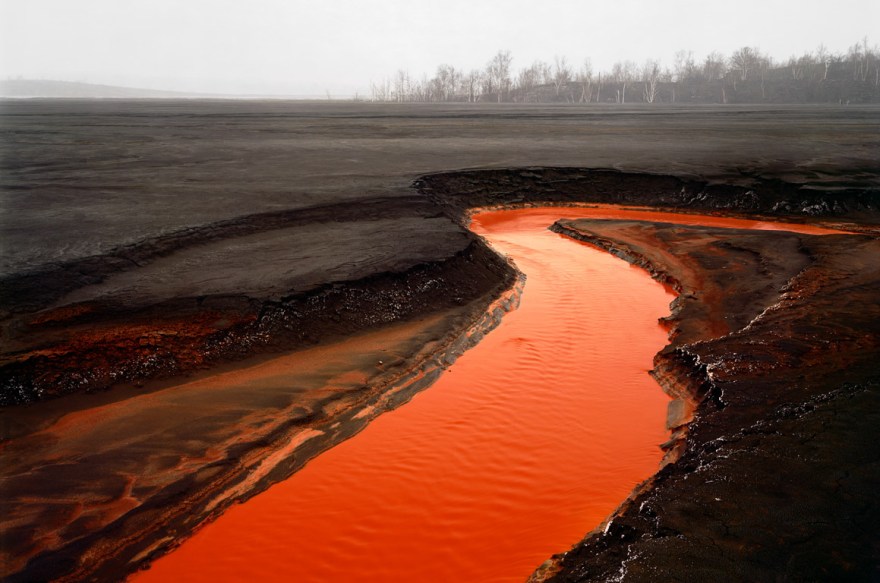
Edward Burtynsky, Nickel Tailings, Sudbury, Ontario, 1996
He also uses a lot of elevated perspectives and employs a variety of tools from large format cameras to drones and helicopters which allows him to tell the story in a way that can not be done from the ground. His most recent work “The Anthropocene Project” has been done using a variety of media including stills, video, and virtual and augmented reality.
I find a lot of common ground with Burtynsky from a basic interest in how humans and nature interact, to the use of elevated perspectives to tell the story. Until his most recent work he has generally shown what humans have done without showing humans. There is no ambiguity in how the scars on our planet were created. His work is powerful because the viewer finds herself somewhat torn between the ugliness that is shown in an often beautifully created photograph, and we too are left with a sort of scar of collective guilt about what mankind has done. In “The Anthropocene Project” Burtynsky is much more direct in the way he shows people as essential elements in the scenes that mankind has created.
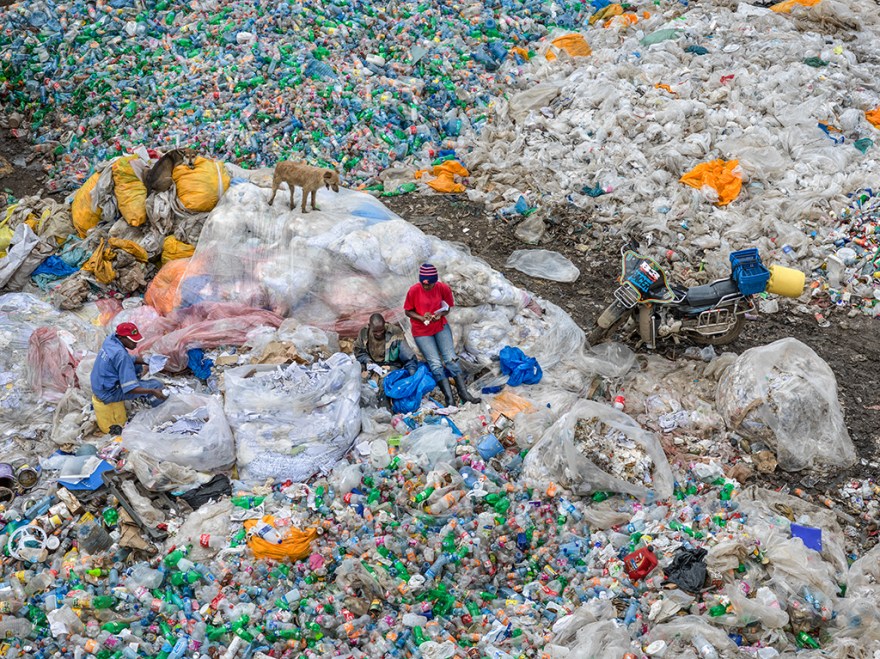
Edward Burtynsky, Dandora Landfill #34, Plastics Recycling, Nairobi, Kenya 2016
My work has a long way to go to reach the significance or quality Burtynsky has achieved and he sets a worthy bar to which to aspire. There is much to learned from looking at his work as I move forward with my project.
Edward Burtynsky. (n.d.). Retrieved November 7, 2018, from https://www.edwardburtynsky.com/
Axel Hütte, a German photographer born in 1951, and a student of the Becher’s at the Dusseldorf School of Art, is recognised for his land and cityscape work. He works in large format film.
Hütte’s landscape work is based in emptiness. All evidence of humans is absent. His work isn’t intended to convey any story and in fact seeks to blur time and space in order to revel in the sheer beauty of the scene. Hütte also seems to eschew detail preferring his landscapes to be viewed and considered as a whole without any particular emphasis in the frame. Though he has photographed around the world, it is quite often impossible to discern from the photo itself where it was taken. Even after reading a caption one doesn’t truly have a sense of place in most instances.
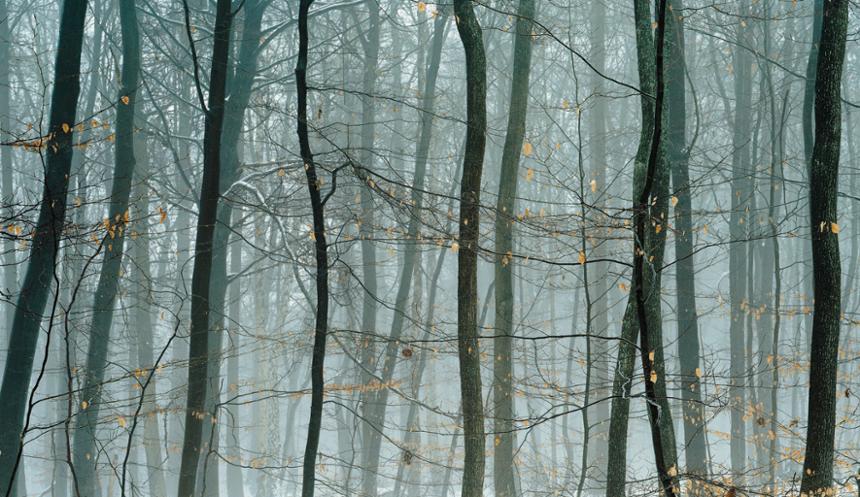 Terra Incognita, Axel Hütte
This approach is quite the opposite of the direction I have generally taken in trying to achieve detail and clearly depict time and space in context. And yet I am drawn to Hütte’s work. I have done quite a lot of past work that is more like Hütte’s, though even in my recent work there are examples. It seems in those cases, I find myself less concerned with showing a particular place in a way that it can be recognized than I am with depicting a mood or a texture that observe in that place. Where it is and even when becomes unimportant.
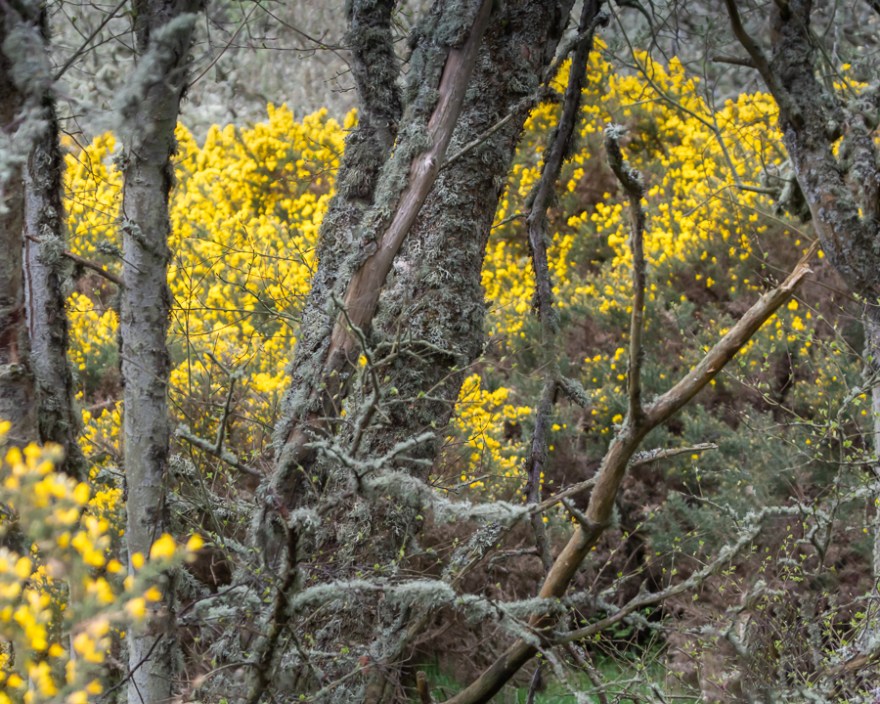 Lichen and Gorse, Ashley Rose 2018
Over the past 9 months, I have been so focused on the project work in which time and place are essential elements that I have not done as much of this sort of work. However, these photos would have broader commercial appeal precisely because of their universality and a succumbing to the idea of simple beauty for its own sake. There is total ambiguity about the place in the above photo. While it happens to have been taken in Scotland and the yellow flowers are gorse, it could have just as easily been taken in a wetland in South Carolina in the USA and the flowers forsythia or wild honeysuckle. This scene might be found in many places around the temperate zones of the world and that is why it acquires a universality to which viewers can relate.
Therein lies the appeal and success of Hütte’s landscape work.
Axel Hütte | artnet. (n.d.). Retrieved November 24, 2018, from http://www.artnet.com/artists/axel-hütte/
Biography of Axel Hutte | Widewalls. (n.d.). Retrieved November 24, 2018, from https://www.widewalls.ch/artist/axel-hutte/
Paris Photo is an expansive show almost to the point of being overwhelming for a one-day visit. Should I attend in future I shall be sure to schedule at least two if not three days to take it in properly. It was thankfully far more diverse in its offering than Unseen Amsterdam, and there was a pleasant mix of old and contemporary work. Even at that, there was very little representation in the genres in which I work, either in the photos displayed or in the books offered at Paris Photo or Polycopies. I found the contemporary work to be strongly weighted to the “fine art” end of the spectrum which is clearly where money is as that is what the galleries chose to represent. There is probably a lesson in that.
That is not to say there wasn’t plenty of inspiration to be had. The quality of printing was something to behold and it was interesting to see the different choices in mounting,framing and display. There was a lot of very good work displaying excellent technique and creativity. A fair bit of the contemporary work wasn’t to my taste or was beyond my ability to comprehend without further explanation. I really enjoyed seeing work of the some of the arguably most significant and influential photographers such as Henri Cartier-Bresson, Richard Avedon, Robert Frank, Andres Kertesz, Joel Meyerowitz and women who defied the stereotypes and limitations of their time such as Dorothea Lange and Martine Franck. They all had great influence on photography, yet it is interesting to contrast their work in terms of composition and technical quality with current standards of excellence. Clearly each has brilliant work that has stood and will continue to stand the test of time, but many also had work that would likely today be considered poor work. I reckon though that resulted in large measure from the limitations of the equipment they were using.
A minor digression is required to lay the basis for what follows. While in Paris and in addition to visiting photography galleries and the Paris Photo exhibition, I visited several art museums; Musee D’Orsay, Musee de L’Orangerie, the Louvre, and the “OnAir” installation at Palais de Tokyo. It prompted me to think more about the similarities between traditional art and photography and the evolution of each. While greatly accelerated in the case of photography, there are similarities in the trajectories of their respective histories and parallels to the trajectories in music history as well. Recognising this has caused me to look upon contemporary photographic trends with a little less aversion than I have tended to in the past.
HCB and the others mentioned above along with many of their contemporaries not mentioned endure because they, to use an Art History analogy, were members of the school of Realism. Their subjects while being specific carry a universality to which viewers can readily relate. Contemporary practitioners like Susan Meiselas, James Nachtwey, Lynsey Addario and LauraHenno carry on those traditions and I believe their work will endure as well.
Just as art evolved from Romanticism and Realism to Impressionism,Dada and Surrealism, photography has followed similar trajectories, but on a less unified path: i.e. many genres are still being produced simultaneously even though they may have been under-represented at Paris Photo. As I walked around the Paris show, and it was even more pronounced at Unseen Amsterdam, that a lot of contemporary “fine art” photographers have moved into (again using Art History terms) the realm of Magic Realism and in some cases Surrealism. I do wonder how many or which of them will be recognised as Picasso or Dali in the world of photography, or whether the work will just be a footnote somewhere in the archives of Photographic History. Only time will tell.
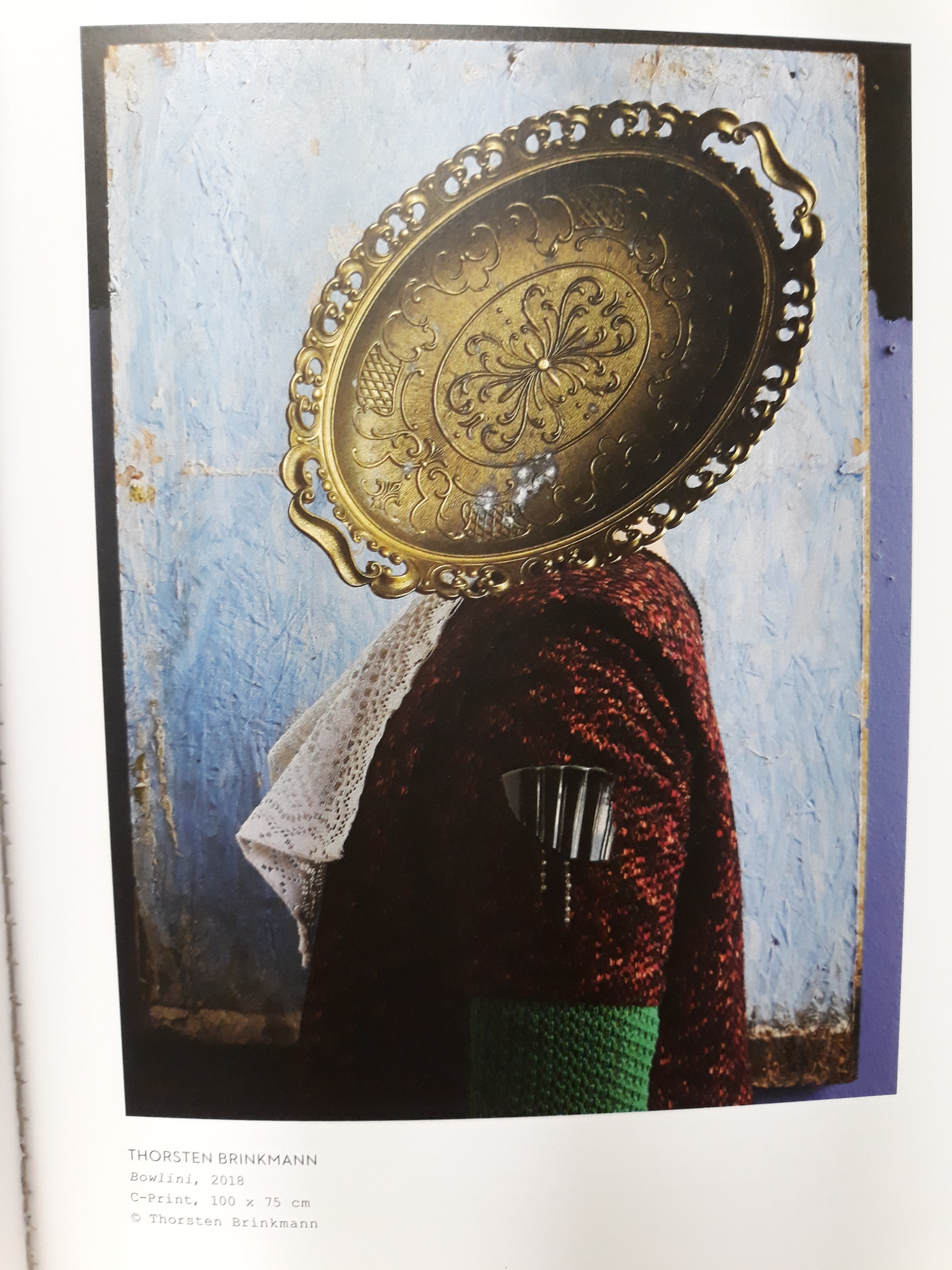
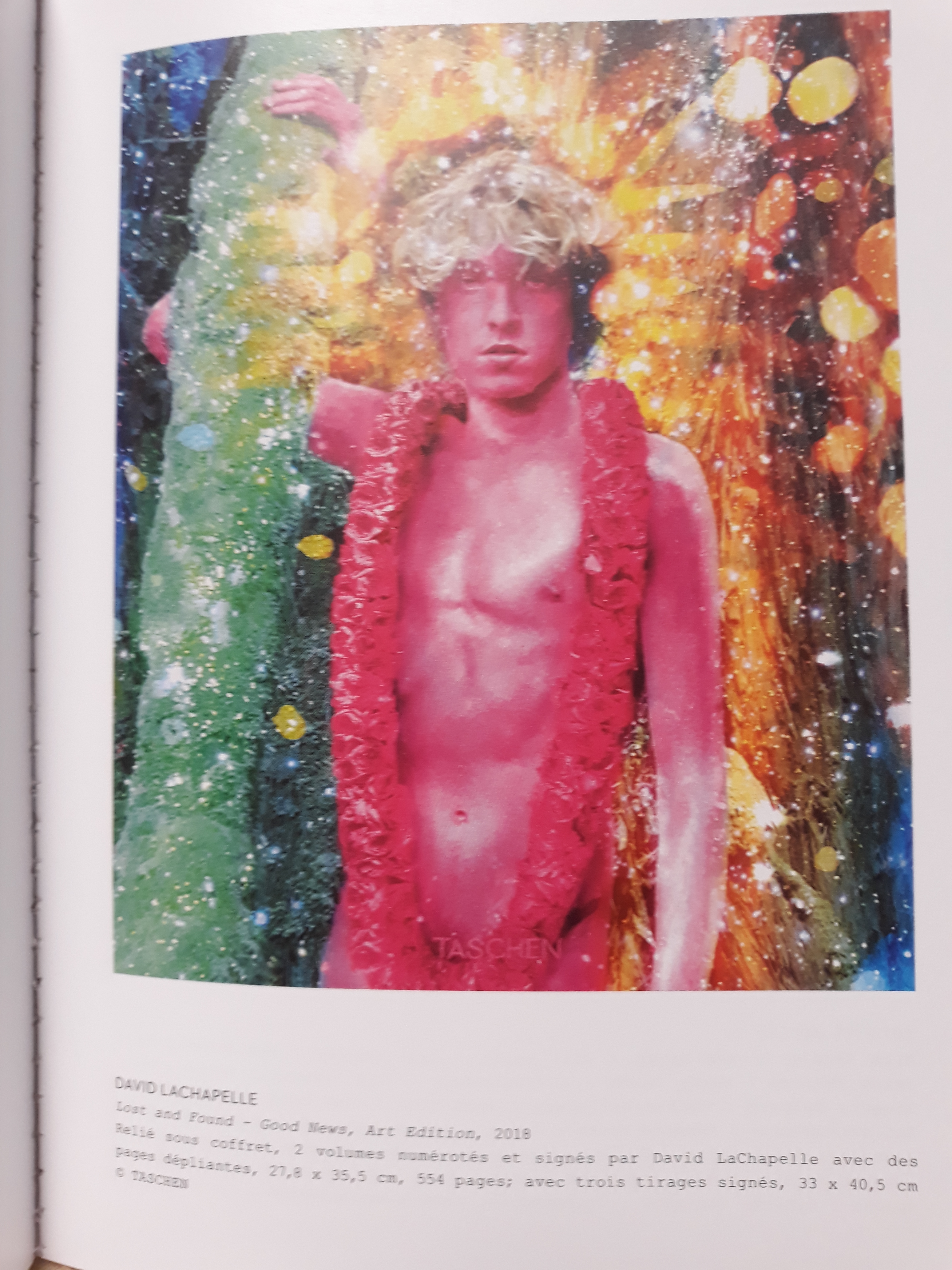
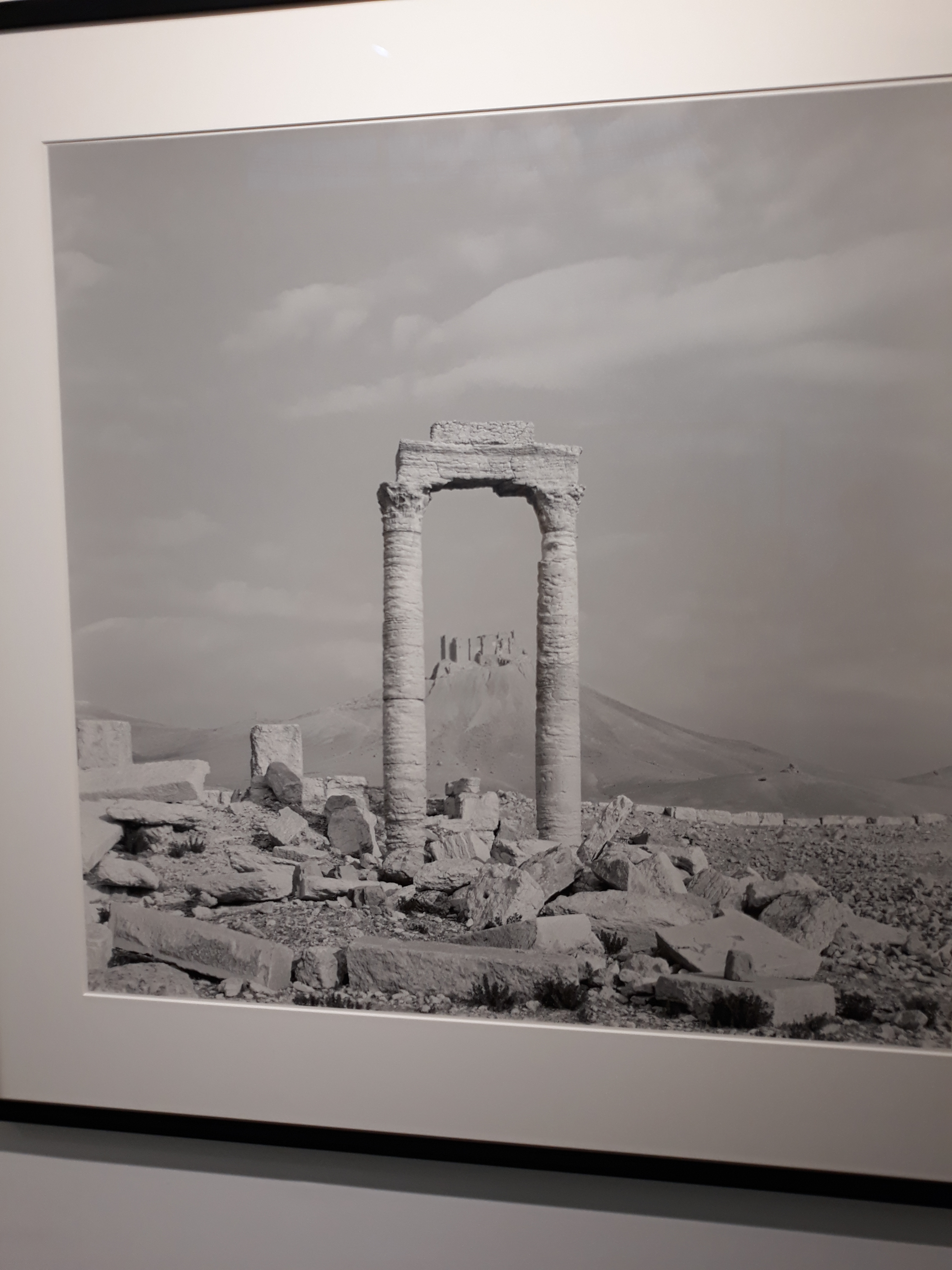
There was so much to see at Paris Photo and it is impossible to sort out and write about everything I experienced there. It has helped to have waited a week and reflected on what I saw and how I reacted to it. There were a few photographers, none of whom of which I was previously aware, whose work stopped me in my tracks; Lynn Davis, Jean-Baptiste Huyhn and Axel Hutte. Lynn’s extraordinary cultural landscapes, Huynh’s stunning portraits, and Hutte’s utterly unique prints on glass were for me “best in show.” In further investigating Axel Hutte I discovered his landscape work and how some of his philosophies are very similar to approaches I have been taking. But more about that in another post.
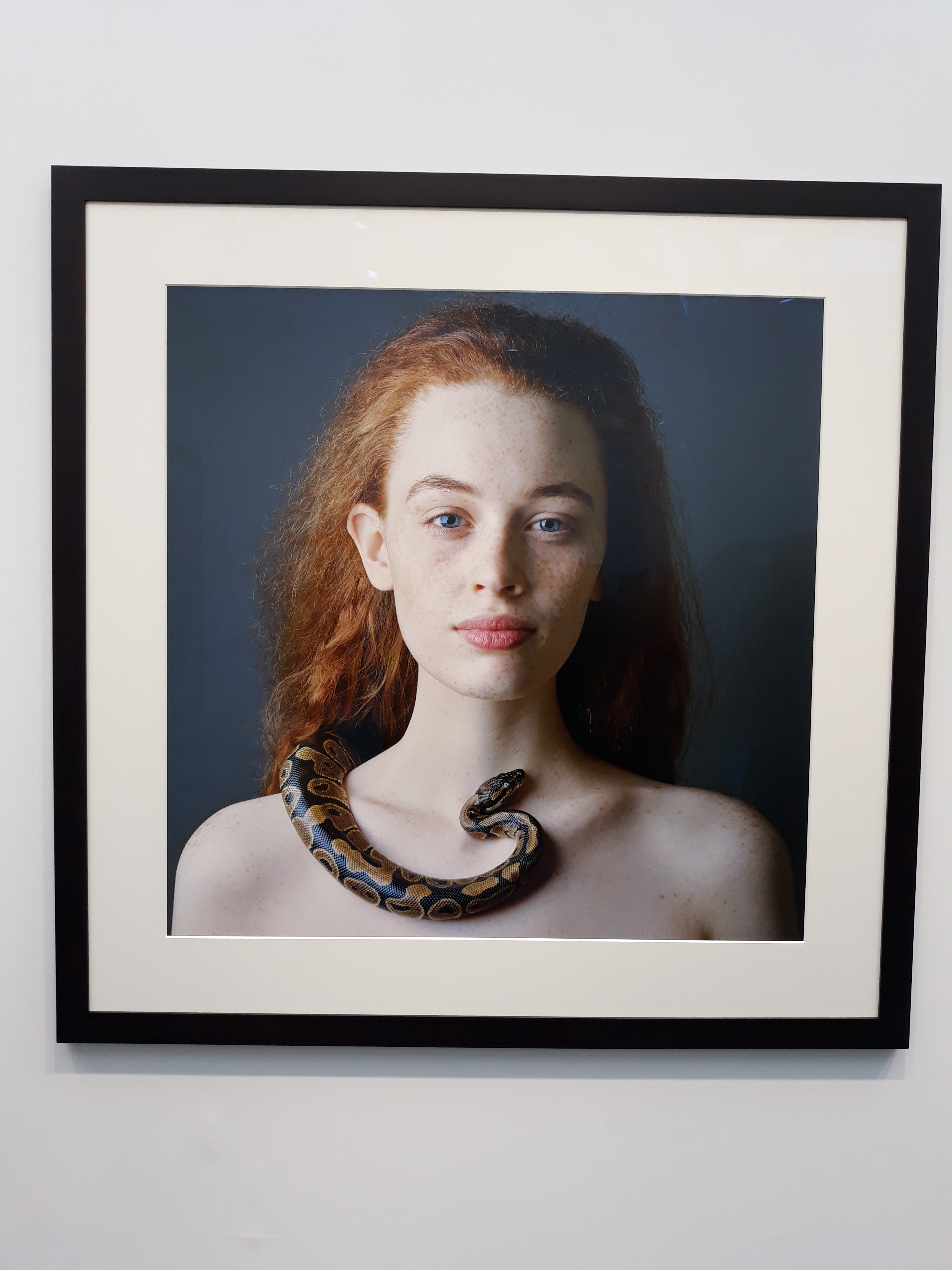
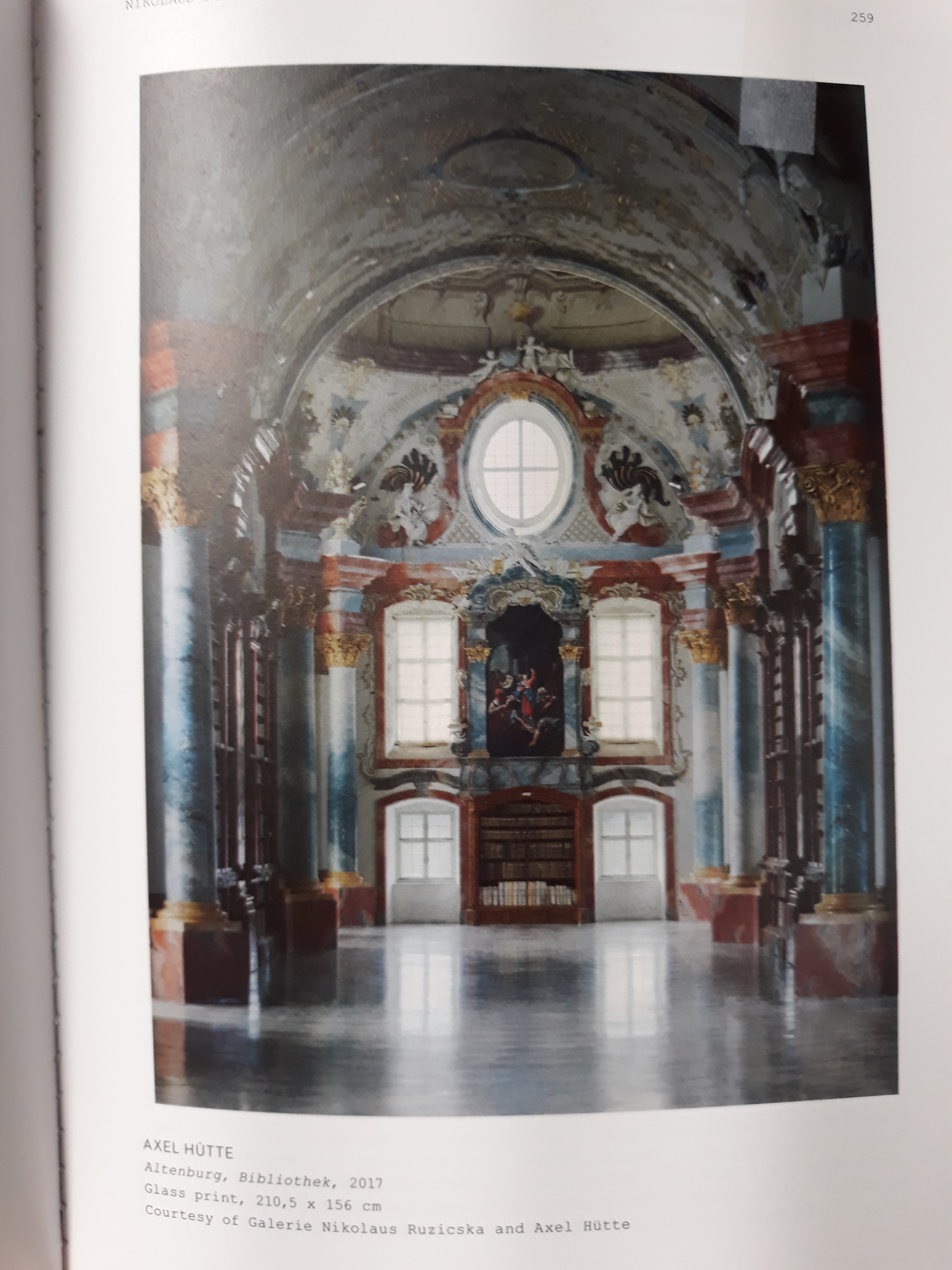
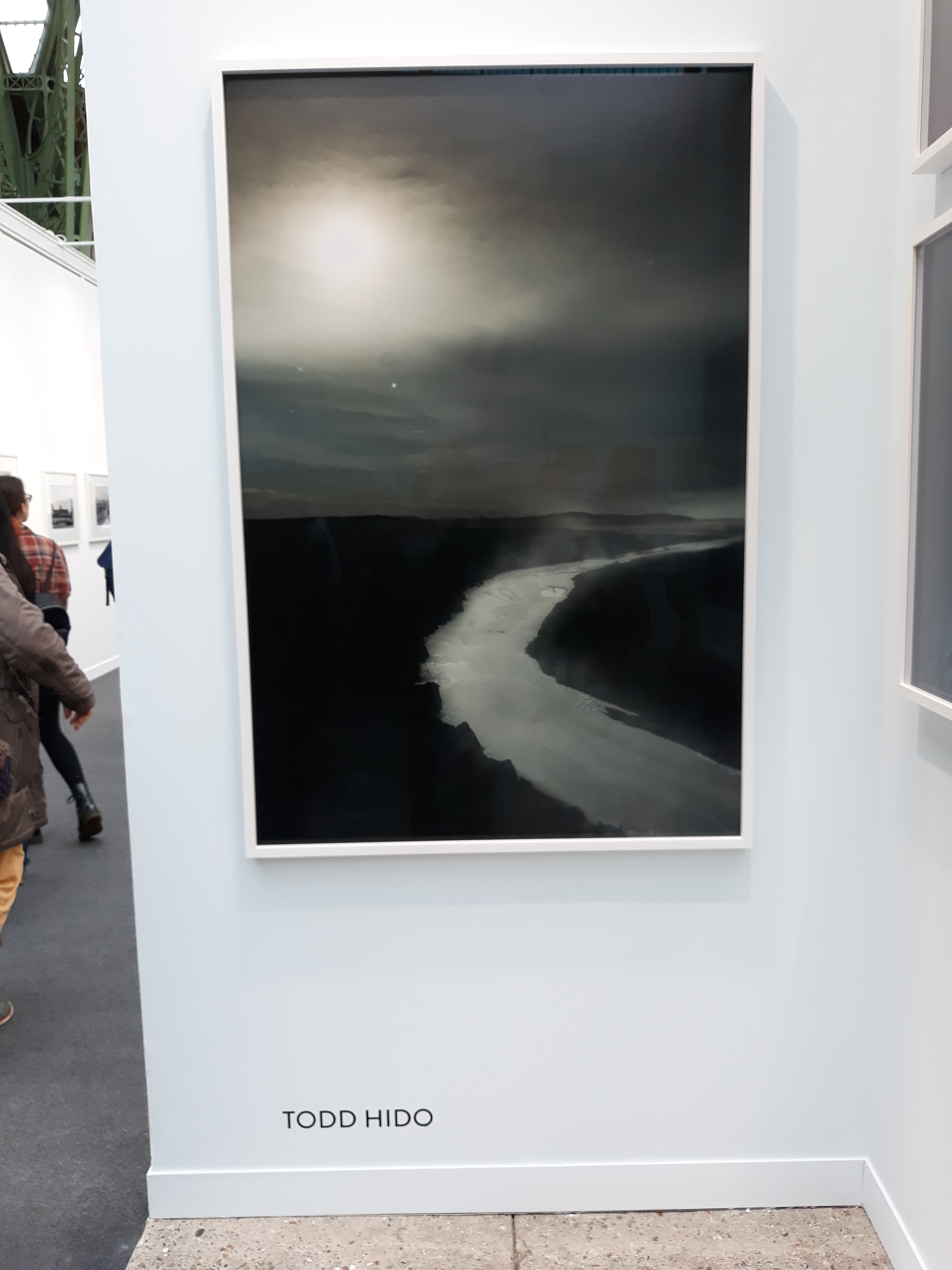
Edward Burtynsky’s aerial environmental work resonated strongly with me and the aesthetic captured in some of Todd Hido’s work, particularly Rivers at Night, made me think about how some of that technique might be applied to my practice.
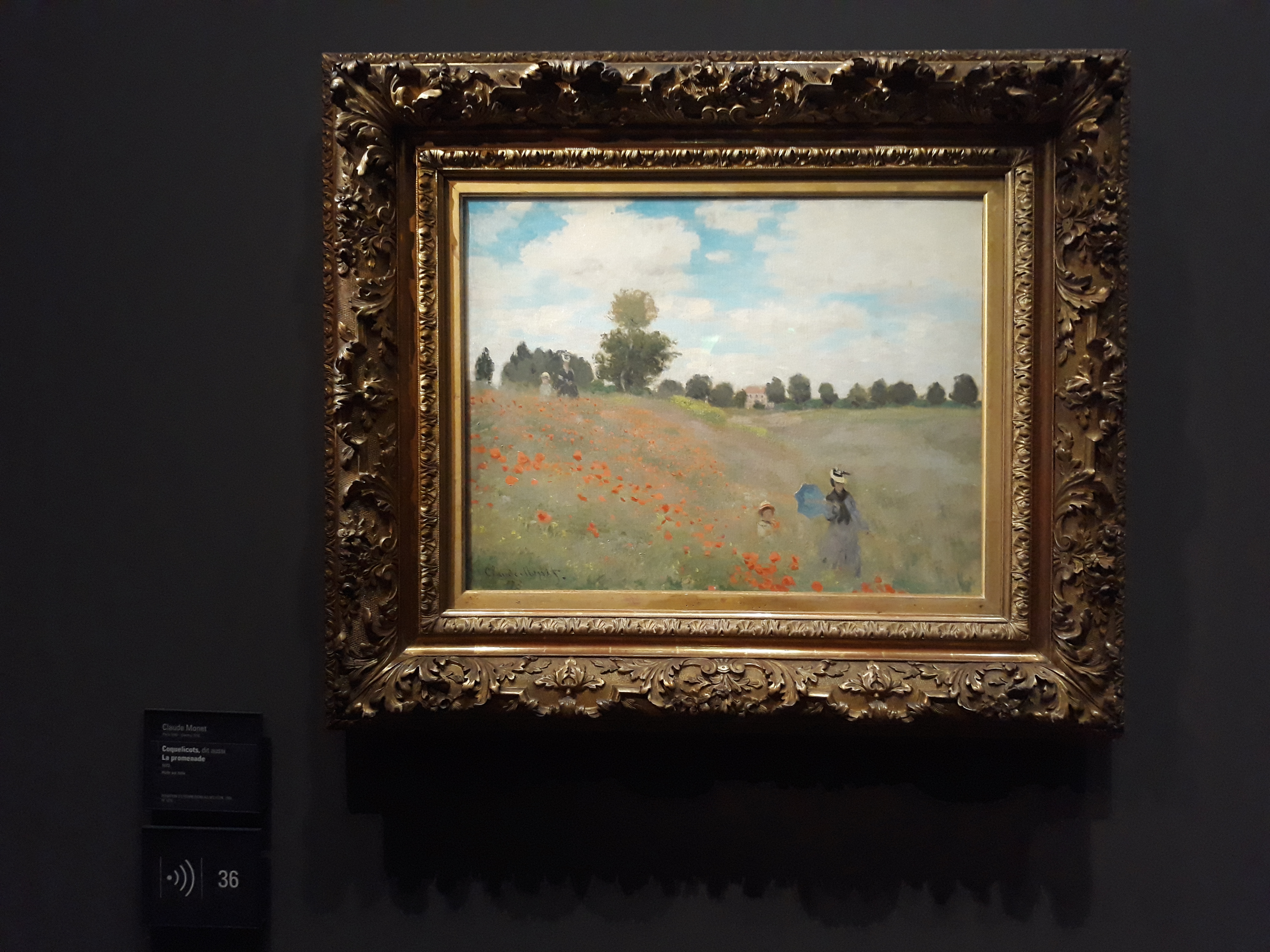
Visits to other galleries and museums also proved helpful. I was struck by how differently I looked at art and photos. I was particularly intrigued at the Musee D’Orsay by how many of the landscapes included indistinct images of people going about their days in harmony with the landscape. This also resonated with me as it is what I have been trying to do during this module.
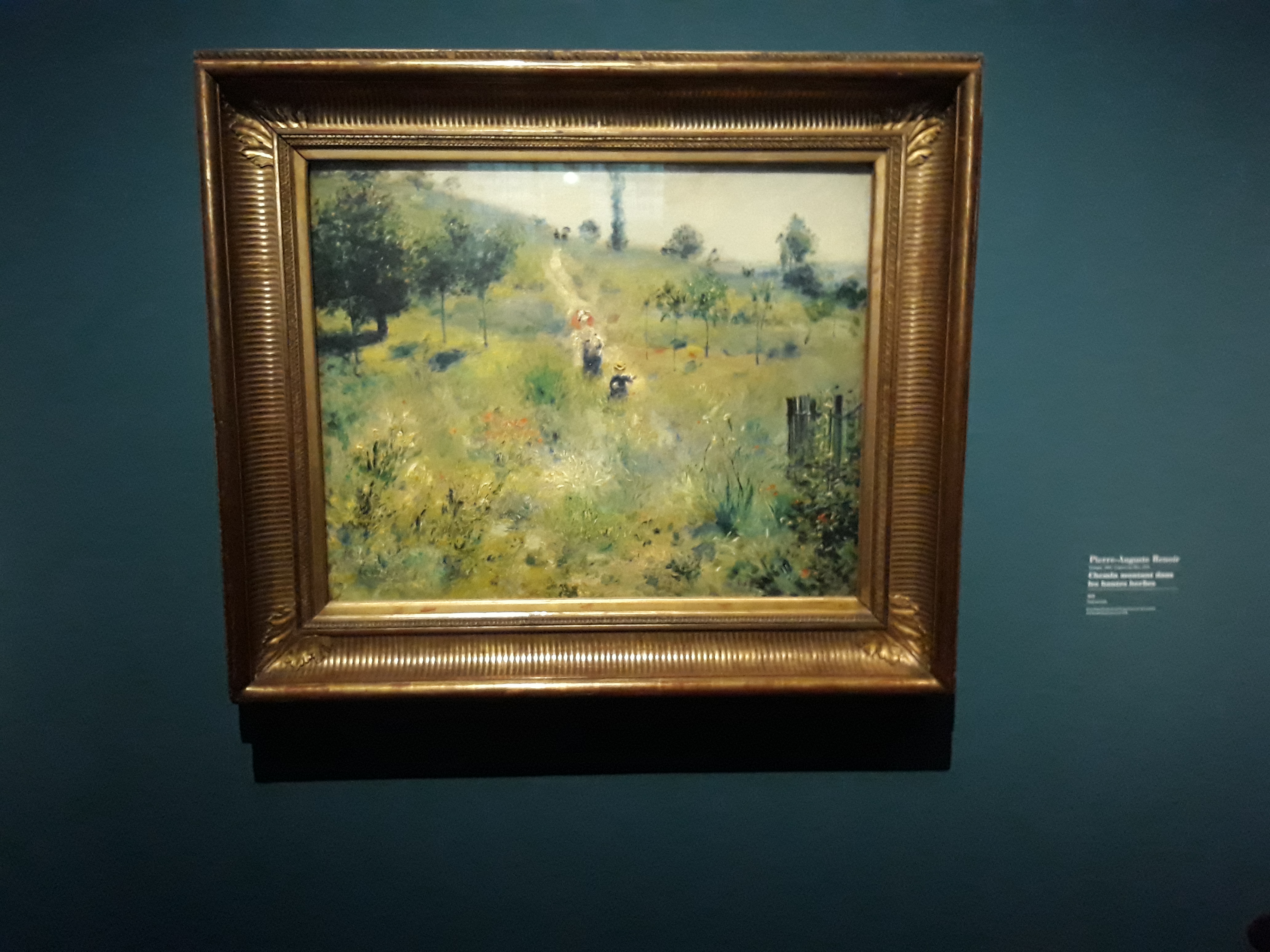
In the end it was a week well spent seeing things that are not readily available to me in NE Scotland or in South Carolina when I am in the US, interacting with cohort mates, exchanging ideas, deepening friendships and being thankful for the opportunities that life has brought me.
What are the measures of sustainability? Is it income, recognition, Instagram likes, self-satisfaction, specialisation, a signature style?
What is it about the likes of Henri Cartier-Bresson, David Hurn, Robert Adams, Dorothea Lange, Walker Evans, Cas Oorthuys, Cecil Beaton, Robert Frank, Richard Avedon that makes them relevant today?
I believe these, and others sustained their practices because they were almost all versatile and adaptable photographers. They each had an eye for the moment, both in terms of composition and story. In the end their practices were sustainable because they made good work and their subjects were relatable. Not every photo any of the above made was perfectly in focus or even of great significance. Most would not win a modern competition, and many might not even be published today, but they each produced huge bodies of work throughout their careers and we are still looking at that work today.
That said, despite the substantial increase in technical quality in contemporary photography, I am not convinced that people will be looking at the work of Juno Calypso, David LaChapelle, or Edouard Taufenbach 50 years from now. The subject matter for a marked amount of contemporary photography in my opinion is not relatable to most people and in fact is, often for me, undecipherable. Much of the work carries no weight and seems to strive for the bizarre and absurd, the frivolous, superficial and fashionable instead of showing the realities of the world and the people in it. There are of course as many exceptions. Laura Henno’s work in Africa took years of research and effort. David Chancellor’s work on the relationship between wildlife and communities likewise will endure because of its subject matter and the quality of the work.
Among the first pronouncements of this module was a statement to the effect that one’s worth as a photographer is measured by how much money one earns and how prestigious the client base; that journeymen photographers are somehow less talented, less motivated, less successful and less worthy. By these measures Richard Prince would be considered extraordinarily successful, even though his work is largely crap. No one will be looking at his work in 50 years other than as case studies in misappropriation.
So how can we measure sustainability? Is there only one measure? I think sustainability comes in different flavours. The avantgarde contemporary photographers who are fortunate enough to garner attention and sell some high-priced work may meet a financial measure of sustainability during their lifetime, but their work may not endure. Instagram and other social media followings and likes are not in my opinion indicators of sustainability. How many flashes in the pan have gotten their 15 minutes of fame and promptly disappeared into oblivion? A working commercial photographer who can stay busy with commissions and make a solid living certainly has achieved a degree of sustainability, even though their work may be relatively ordinary and have not lasting significance. Another measure, and perhaps the worthiest in my opinion, of sustainability is work of lasting relevance or interest during and beyond the photographer’s lifetime, regardless of whether that photographer was financially successful during their career. These are the photographers that make a difference in the world and in photography it would be the category to which I would aspire were I 40 years younger and beginning a career.
In his book, On Being a Photographer, Bill Jay recalled being told by philosopher-poet-artist Michel Butor, one of his teachers, that “truth was like a photograph in which thousands of shades from black to white, and including both extremes, were necessary for full revelation. But of course, most people in this day and age insist the truth is black, or white, and deny the beauty of the whole.”
I began to think about the realities of that statement, and its applicability to my photographic practice and more broadly to the current every day world. I find the assertion that many people want only to think in terms of truth being black or white to be quite true in the United States and particularly in the part of South Carolina where I spend some of the year. When considered in photographic terms the absurdities of that notion are quite evident.
What follows is a series of four images; all the identical image as the starting point. The first is overexposed to render the result pure white.

The second image is underexposed so that it renders in pure black.

The third image properly exposed in monochrome begins to reveal some of the “truth’ that was absent in the prior two photos. In this photo we begin to see the complexities and intricacies of the scene in the subtle shades of grey and the small bits of pure black and white.
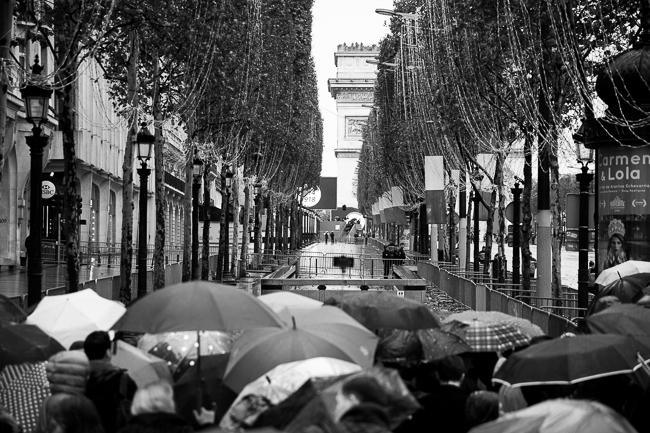
And finally, as originally captured in full colour we find “truth” that was not apparent in any of the prior rendering of this image. The full complexities of the scene are revealed when considered in colour.
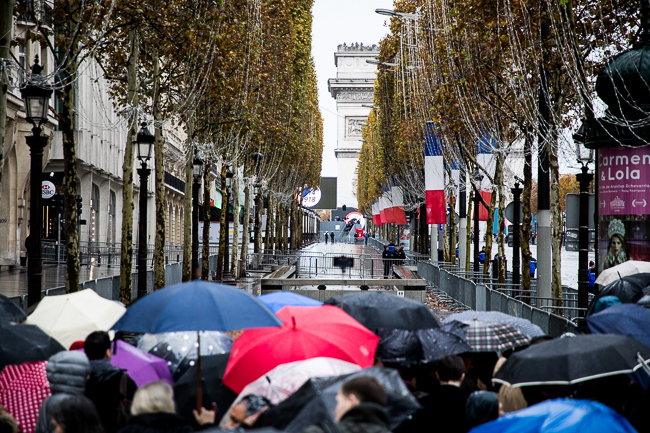
Here it is possible to see the scene of people lining the Champs Elysees in Paris in the rain for the commemoration of the Centenary of the Armistice ending World War I on 11 November 2018.
Is it the total “truth”? No, because the image cannot reveal the sound of the guns falling silent and the bells beginning to chime and depth of emotion felt in that crowd as that happened, but it is far more truthful than any of the white, black or even shades of gray photographs.
My photographic practice is fundamentally documentary in character so the reality of the “thing itself” or the “truth” of the image is very important to me. Can an image ever reveal the total truth? I am not convinced a single image alone can ever do that. Perhaps a series or images with associated text can come as close as possible, but truth is an elusive animal. Very few truths are absolute. One though is that wee live in a world filled with colour. To ignore that and attempt to see it only in black or white is to deny truth entirely. Truth is intricate, complex and inseparable from its whole. It can only exist in the context of the full range of colour of which it is comprised.
We all, and especially our leaders, be they political, religious, or otherwise would do well to remember this.
Hurn, D., & Jay, B. (2009). On Being a Photographer (Third). Anacortes, WA: LensWork Publishing.
Networking is second nature to me after over 40 years of work experience working in and leading large organisations, developing business domestically and internationally, consulting, and then owning two businesses. My photographic practice didn’t start with the intention of becoming another business, but I find myself, almost exclusively through networking, getting commissions, selling work and being as busy as I wish to be. I was invited to talk to another group next week as word had gotten around from the last group I spoke to had been very enthusiastically received. It was networking that allowed me to get the space for my physical exhibition last August and that led to my work being permanently on display for sale there.
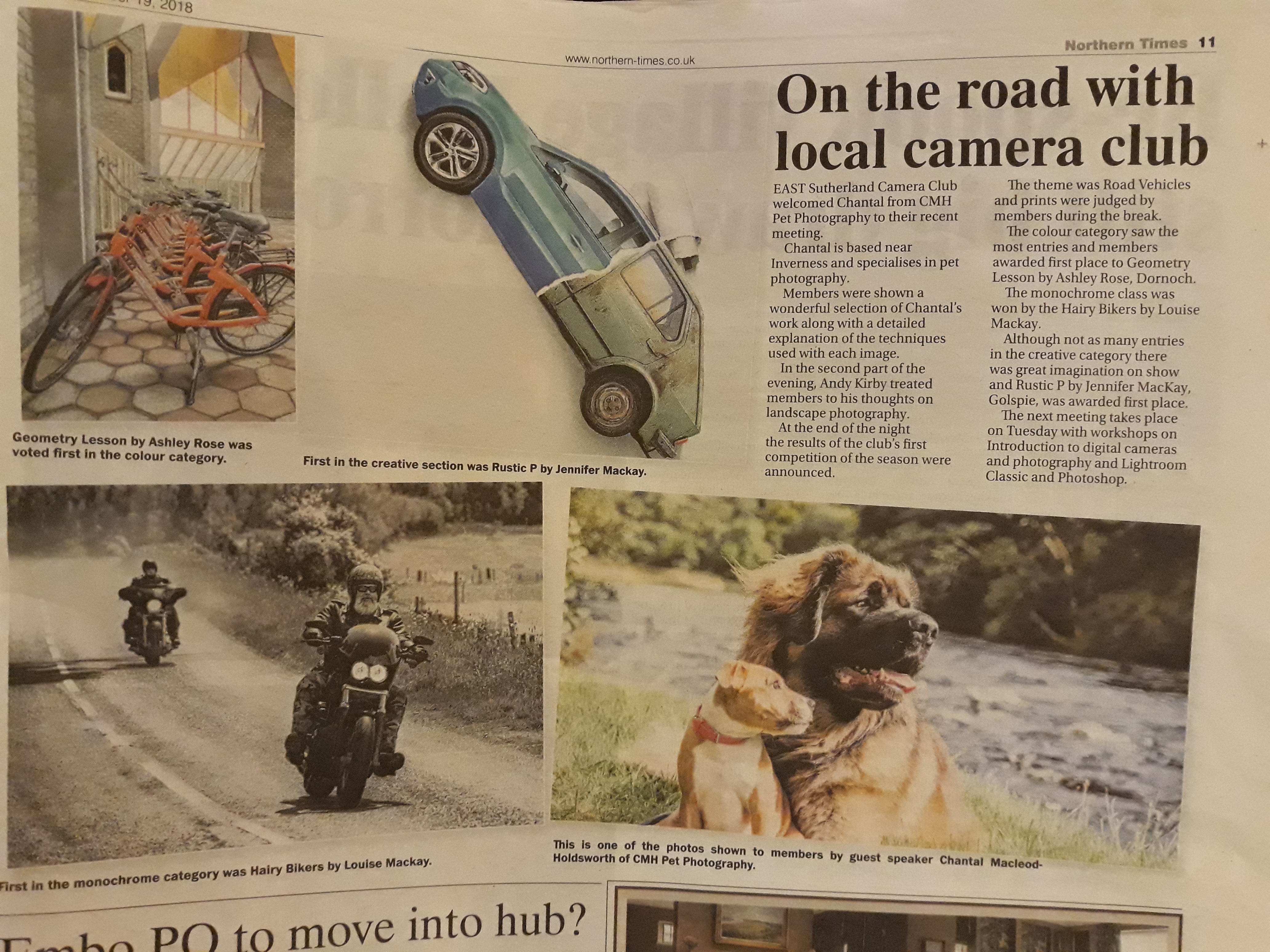
I belong to the local camera club which meets every other week and holds monthly competitions as well as conducting educational programs and hosting guest speakers. I have learned a lot through this group and the people in it and have had quite a (sometimes humbling) education into the world of photo competitions and “what sells” with judges. I the most recent competition my entry in the colour category won and was featured in the local newspaper, which again generates interest in my work and prompts conversations and enquiries.
Social media is just another form of networking. Until recently I hadn’t used Instagram very much and I restricted posting of photos to my Facebook account, again largely because I wasn’t intending to promote a business. However, beginning to use Instagram and posting simultaneously to FB has increased awareness of my work. A recent commission arose from a viewing of the video I did last term on my project, Coul Links, that was shown at my exhibition opening and submitted as part of my Surfaces and Strategies WIP. I was asked to produce a video using my drone to promote the business where I held my exhibition. The owner posted the final product on Facebook and in one day had nearly 2000 views. I expect that as a result, more offers of work will be coming my way.
I have worked within my network in the past two weeks to secure commitments from two new outlets for distribution of my books; the one already in print and forthcoming projects. I have joined the RPS but have not yet been able to take advantage of the opportunities that presents to network yet. I do hope to submit a panel for distinction early next year and that may offer some additional networking opportunities.
I realise I am in a different place in life than some of the others on this course and while I find in person networking really to be just an extension of my day to day existence, others may find it more difficult. I think it is easy to conflate the term networking with “selling your work” and that is more difficult for most of us. Instead I think of “networking” as a way to get to know people, and for others to get to know you, and more importantly remember you. Your work will come up at some point, but that isn’t the prime focus going into the encounter. Learn something about the person you are meeting and what they do. It may be that in the end the secondary and tertiary connections that come from that initial encounter are the ones that will make a difference for you or for them. Maybe you know someone who can do something for that person and they might know someone who knows someone you should meet. Networking usually requires time and patience. You don’t have a jumper just after casting the yarn onto your needle; you must knit awhile to see what comes of your efforts.
We were challenged this week to create a marketing plan. While these can and perhaps should be far more elaborate plans embedded within an overall business plan, I have prepared a simple overview describing my objective, and the strategies and tactics I can employ to achieve that objective. As a former strategic planner I balked a bit at the way the terms and examples were presented, as I thought they were very muddled and it can be important to be more precise because objectives, strategies and tactics are 3 distinct things. An Objective is the overall outcome or end result you desire. Strategies are how you intend to achieve the objective and tactics are what specific things you will do to effect success in each of the strategies.
To use a military analogy; the Objective is to win the war by way of an unconditional surrender. The strategies might include using air, sea and land forces to overwhelm enemy defences, while the tactics would be something like begin with an air campaign designed to suppress enemy offensive capabilities and achieve air superiority before committing land forces. Direct a mixed division of armour and cavalry forces in a fast moving multi pronged attack focused on key command and control nodes. You get the idea. These terms relate to a stratified structure of increasing detail as you progress through each layer.
One could also think of it in terms of a building. The objective is to have a house. The strategies are the various pillars holding up the roof and the bricks that make up the pillars are the tactics.
Planning ensures that the strategies directly support the achievement of the objective or they are not relevant and tactics needs to support the strategy to which they are assigned. Once the planning is done, then what one concerns themselves with on a day to day basis are the tactics. They are the “action items” that must be completed to execute a successful strategy and the sum of all the strategies successfully executed will achieve the overall objective.
Marketing Plan
Ashley Rose Photography – Chasing the Wild Life
Objective
To establish myself as a professional photographer
Strategies and Tactics
My earliest recollections of taking photos was in 1964 during a family holiday to the western US. Dad, Mom, younger brother and me loaded in the station wagon (estate car) and headed from Cleveland, Ohio to St. Louis, Missouri where we picked up Route 66 and headed west. All of my monochrome images are still in an album in my folks house, but I recall very well images in the St. Louis Botanical Gardens, and National Parks including the Petrified Forest, Painted Desert, Grand Canyon, Zion Canyon, Bryce Canyon, the Rocky Mountains and Continental divide, and cultural and travel photos in Oklahoma City, Albuquerque, Salt Lake City, and Denver. While there were of course the obligatory family snaps here and there, even then people didn’t figure prominently into my photography.
I graduated to more complex cameras inheriting my Dad’s hand me down rangefinder Pentax as I came into secondary school. My photographic interests were still slanted heavily toward nature and outdoor activities. It was when I came to university and got my first Minolta SLR that my interest and passion for photography really blossomed. My first trip to the UK in 1972 are full of photos of landscapes, birds, and cathedrals. It quite honestly hadn’t occurred to me that I have been doing what I do for a very long time and my preferred subject matter has remained remarkably constant through these may years. There were again the odds and ends photos of people but usually engaged in some sort of outdoor activity or sport.
The mid-80’s saw my Minolta kit stolen and I migrated for a time to compact cameras, film and then digital until 2003 when I got my first Canon DSLR, though to be fair I also got an analogue SLR at the same time. Once immersed in the wonders and flexibility of the DLSR for the subjects I prefer I have found I have left the world of film far behind.


Examples circa 2003 -2004
The following few years between 2005 and 2013 were consumed with work and high level golf competition. That combined with the ease of using the mobile phone camera and a compact digital saw the DSLR kit coming out a bit less frequently. Nevertheless, similar themes recurred and there was added interest in action sports when those opportunities were available. Travel and nature photography were also mainstays in those years.


Examples 2005-2010


Examples 2011- 2013
It was coming to Scotland in 2014 that really reawakened my photographic passions as I found the scenery and the light so extraordinary. My senses were overwhelmed and no matter where I looked I couldn’t not be making photographs again. Upgrades to my Canon kit brought me more capability and also made me realise I had so much more to learn. Post processing was something I had rarely done since my university darkroom days. Joining a camera club, having work critiqued, studying and most importantly taking photographs, lots of them and exploring the capabilities of my camera and my eye took the quality of my work to new levels quickly. Learning the power and necessity of post-processing produced another quantum leap. I was beginning to produce very good quality work, but what to do with it? And this is where the decision to pursue the MA Photography was taken.


Examples 2014-2018
It has been interesting to look back over my many years of photography and to see how much more continuity in subject matter there has been than I realised. It is evidence the camera looks both ways and does reveal both the diversity and consistency in my interests. Also noticeable is the general absence of people except when they are engaged in some activity. It has also been interesting to see how the quality of my work has changed. Looking back now at the earlier work which was almost exclusively just what came out of camera, I see all sorts of minor imperfections that could so easily have been corrected with post-processing. I see another exponential leap in the work of this past year of studying for this MA. It comes from a combination of more skills, more thoughtfulness, more familiarity with where I am working, and I am sure (though reluctant to admit) from reading theory and looking at the work of others. I can’t describe exactly how the last bits are affecting my work, but it seems to be operating at a subconscious level in the realm of tacit knowledge as described by Polanyi in The Tacit Dimension (1966/2009).
Polanyi, M. (1966). The Tacit Dimension (2009th ed.). Chicago and London: University of Chicago Press.
Social Media: I have used Facebook for a long time mainly to keep in touch with friends and family and occasionally to feature photographic work I’d done, but as had no aspirations to making it a proper business, I never pushed that on FB. I have had an Instagram account for some time as well, but had rarely posted anything there. Despite that, I had over 50 followers when I began posting current work this week. I don’t see Instagram necessarily as the vehicle that will bring me work, but I know the added exposure and distribution of my work is a generally good thing.
I was not keen on the Viral Image task either as an on or off line exercise. I live in a very small Scottish burgh and the idea of plastering an image around town even on the few proper boards let alone across the breadth of the conservation district seemed to me to be an act of defacement that I couldn’t bring myself to, particularly since I am already well known within the town and I think it would raise more issues than benefit.
Webinar with Sophie: I had the luxury of a one on one with Sophie this week as I was the only person signed up in that slot. I sent a link to some of my current work to Sophie so we could discuss where I was and where I needed to be going. I was a very helpful discussion.
First Sophie was encouraged by the non-project specific work as she sees it as useful to training my eye as a photographer and keeping the fun in the work. She asked if I find it easier or more difficult to do project work and my reply was qualified. I have diverse interests photographically as I mentioned in an earlier post. I also find it quite easy to turn those interests, whether on an afternoon’s shoot or across a longer span of time into projects. That is something that has changed dramatically with this course. Previously I rarely saw my photographic work as anything other than the individual photographs I made. Now with almost every photograph I make I can see an outcome; how it fits or might fit into a larger body of work or end product. Each photo inspires me to bigger ideas because I always if there is one scene that captures my attention and my camera, there are more to be found.
The qualification was with respect to my MA project work which has been a bit more difficult due the circumstances associated with the planning application. I am a bit stalled on the repeat photography elements of the project since little is happening after the project was called in by the Scottish Government for additional review. On the wildlife side however, it is the beginning of the “Highland Gathering” of birds that winter on Loch Fleet and the north end of Coul Links. While it is early in the migration and only a small fraction of the birds have arrived, I have had some really successful shoots already.
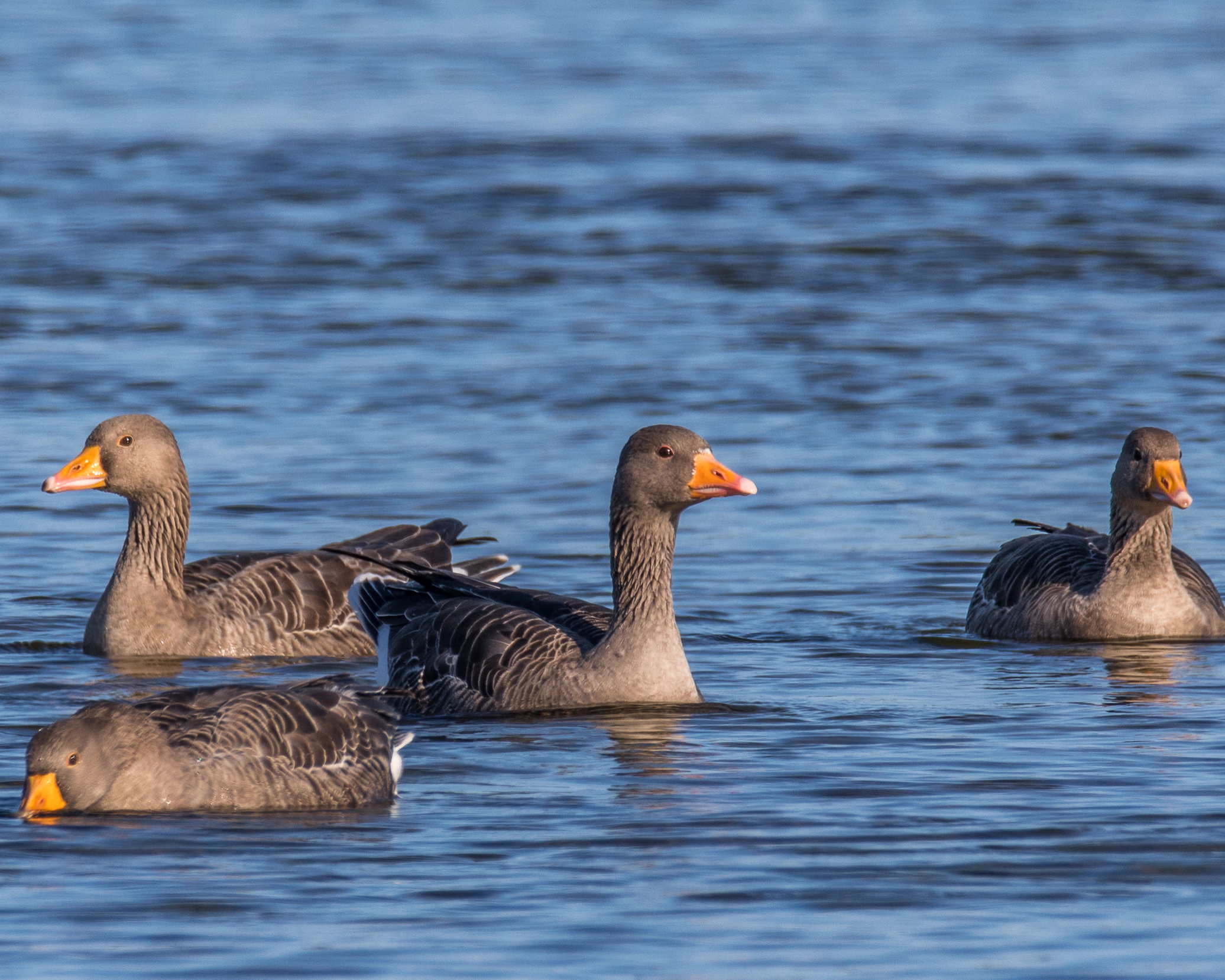

Sophie then asked how I feel about photographing people and I replied that I have always been a bit uncomfortable with it, but that I had been making an effort, with some good results, at doing more; particularly outdoor environmental portraits. Sophie challenged me to set a target of 8 or 10 portraits as part of my work and as we were talking I realised how many people use the north end of Coul Links and the perimeters of Loch Fleet every day their dogs, enjoy the outdoors, or watch the birds and marine mammals that inhabit that patch of land and sea. In fact, I missed an amazing opportunity last Wednesday because right where I set up to photograph birds, a gentleman and his wife were encamped behind their estate vehicle with two chairs a wee tea table and a spotting scope. When I arrived the gent was intent on birding while the lady sat comfortably in her chair reading her Kindle. It would have been a perfect photo and because I just do not think about photographing people I missed it. At least four other people came up to me for a chat about what was out on Loch Fleet and likewise never thought about asking if I could take their photo. So lesson learned and in response to Sophie’s challenge I will be looking for those opportunities over the coming weeks.
I am re-energised about my project and really appreciated Sophie’s encouragement and advise.
 Ashley Rose Photography Journal